 +91 988 988 5040
 care@nexivf.in
When it comes to fertility, the focus is often placed on women’s age. However, men also experience age-related changes that can affect their reproductive health. While men may remain fertile for a longer period, sperm quality does decline over time, making age an important factor in conception.
Understanding how age impacts male fertility can help couples plan better and seek timely medical guidance when needed. At NEX IVF and Fertility Centre, specialists emphasize that male fertility is equally important in achieving a successful pregnancy.
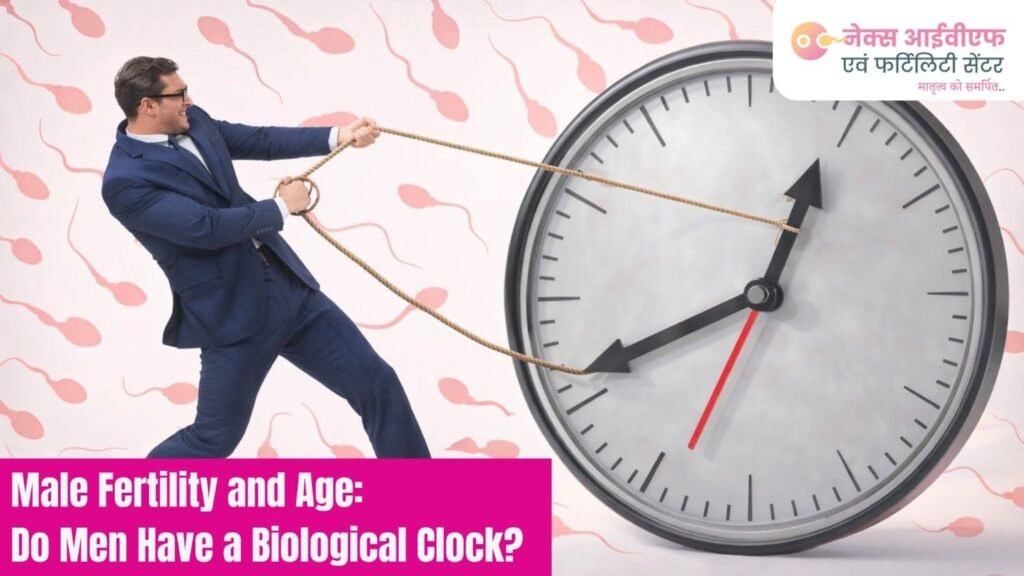
Do Men Really Have a Biological Clock?
Unlike women, men do not have a fixed end to their reproductive ability. However, this does not mean fertility remains unchanged.
As men age:
- Sperm quality gradually declines
- DNA damage in sperm may increase
- Hormone levels, especially testosterone, may decrease
- Time to achieve pregnancy may become longer
So while men can father children later in life, age still plays a significant role in fertility.
How Age Affects Sperm Health
Sperm health is a key factor in male fertility. With increasing age, several changes can occur:
Reduced Sperm Motility
Sperm may become less efficient in swimming toward the egg.
Changes in Sperm Morphology
The shape and structure of sperm may become abnormal.
Increased DNA Fragmentation
Older sperm may carry more DNA damage, which can affect embryo development.
Lower Semen Volume
The quantity of semen may decrease over time.
These changes can impact fertilization and overall pregnancy outcomes.
At What Age Does Male Fertility Decline?
Male fertility does not drop suddenly but declines gradually over time.
- Fertility is generally optimal in the 20s and early 30s
- Subtle decline may begin after 35
- More noticeable changes often occur after 40
- Risks may increase further after 45
However, many men still successfully father children at older ages with proper care.
Impact on Pregnancy and Child Health
Advanced paternal age may influence not only conception but also pregnancy outcomes.
Possible risks include:
- Increased time to conceive
- Higher chances of miscarriage
- Greater risk of certain genetic conditions
- Reduced IVF success rates in some cases
These risks remain relatively low but should be considered during family planning.
Lifestyle Factors That Accelerate Fertility Decline
Age-related decline can be worsened by unhealthy lifestyle habits such as:
- Smoking and alcohol consumption
- Poor diet and lack of exercise
- Chronic stress
- Exposure to toxins and pollution
- Excessive heat exposure
Adopting a healthy lifestyle can help slow down the decline in sperm quality.
How Men Can Protect Their Fertility
Simple steps can help maintain reproductive health even as men age:
- Maintain a balanced and nutritious diet
- Exercise regularly
- Avoid smoking and limit alcohol
- Manage stress effectively
- Get adequate sleep
- Avoid prolonged heat exposure
Regular health check-ups also help detect and manage any underlying issues early.
When to Seek Medical Advice
Couples should consider fertility evaluation if:
- They have been trying to conceive for a year without success
- The male partner is above 40
- There is a history of medical conditions affecting fertility
A semen analysis and hormonal evaluation can provide valuable insights into male reproductive health.
At NEX IVF and Fertility Centre, specialists offer comprehensive male fertility assessments and personalized treatment plans to support couples in their journey toward parenthood.
Final Words
Men may not have a biological clock as strict as women, but age still plays an important role in fertility. Sperm quality gradually declines over time, and this can affect conception and pregnancy outcomes.
Understanding these changes and taking proactive steps can help improve fertility potential. With the right lifestyle choices, early evaluation, and expert guidance, many men can successfully achieve fatherhood even at a later age.