 +91 988 988 5040
 care@nexivf.in
Male fertility is often influenced by everyday lifestyle choices—especially diet. What you eat plays a crucial role in hormone production, sperm quality, and overall reproductive health. A well-balanced, nutrient-rich diet can significantly improve sperm count, motility, and function.
Understanding the connection between nutrition and male fertility can help men take proactive steps toward improving their chances of conception.
At Nex IVF and Fertility Centre, specialists emphasize the importance of nutrition alongside medical treatment to optimize male fertility outcomes.
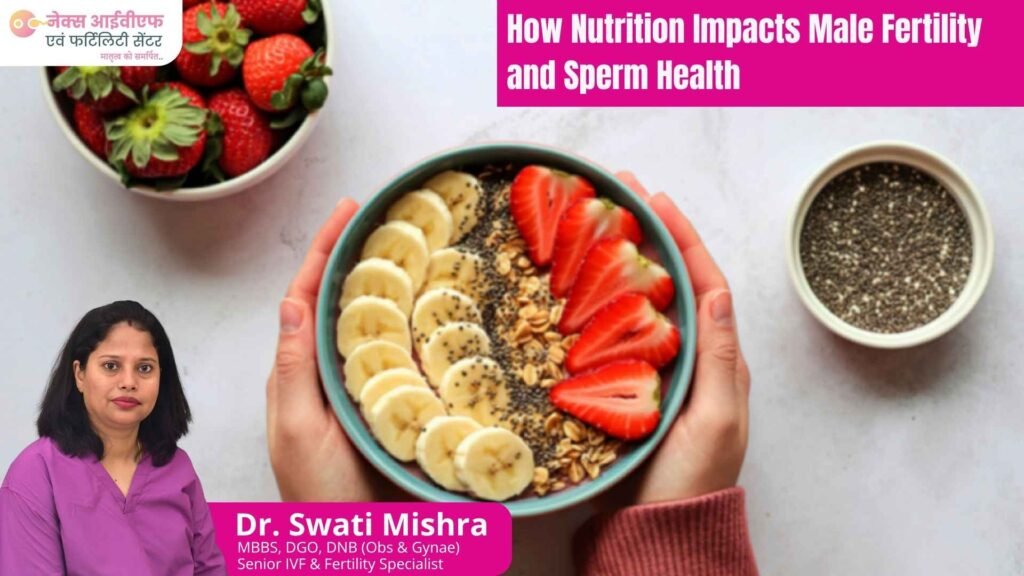
Why Nutrition Matters for Male Fertility
Sperm production is a continuous process that depends on essential nutrients. Poor dietary habits can lead to:
- Reduced sperm count
- Poor sperm motility
- Abnormal sperm morphology
- Increased oxidative stress
A healthy diet helps support optimal sperm development and hormonal balance.
Key Nutrients That Boost Sperm Health
1. Antioxidants
Antioxidants protect sperm from damage caused by free radicals.
- Sources: Fruits, vegetables, nuts, seeds
- Benefits: Improve sperm count and DNA quality
2. Zinc
Zinc plays a vital role in testosterone production and sperm formation.
- Sources: Pumpkin seeds, nuts, whole grains
- Benefits: Enhances sperm quality and motility
3. Vitamin C
Vitamin C improves sperm count and protects against oxidative stress.
- Sources: Citrus fruits, berries, tomatoes
4. Vitamin E
Vitamin E supports sperm membrane integrity and function.
- Sources: Almonds, sunflower seeds, spinach
5. Omega-3 Fatty Acids
These healthy fats improve sperm structure and motility.
- Sources: Fish, walnuts, flaxseeds
6. Folic Acid
Folic acid helps in proper sperm development and reduces abnormalities.
- Sources: Leafy greens, legumes
Foods That Support Male Fertility
Include these fertility-friendly foods in your daily diet:
- Fresh fruits and vegetables
- Whole grains
- Nuts and seeds
- Lean proteins
- Dairy (in moderation)
These foods provide essential nutrients required for healthy sperm production.
Foods to Avoid
Certain foods can negatively impact sperm health:
- Processed and junk food
- Excess sugar
- Trans fats
- Excessive caffeine and alcohol
Avoiding these can help improve fertility outcomes.
Lifestyle Tips Along with Nutrition
Nutrition works best when combined with healthy habits:
- Maintain a healthy weight
- Exercise regularly
- Avoid smoking
- Manage stress effectively
- Get adequate sleep
At Nex IVF and Fertility Centre, a holistic approach ensures both lifestyle and medical factors are addressed.
How Long Does It Take to See Improvement?
Sperm production takes approximately 2–3 months. With consistent dietary improvements and lifestyle changes, positive results can often be seen within this period.
When to Seek Medical Advice
Consult a specialist if:
- You’ve been trying to conceive without success
- You have known health issues
- You suspect low sperm quality
At Nex IVF and Fertility Centre, comprehensive evaluation and personalized treatment plans help improve male fertility effectively.
Final Words
Nutrition plays a powerful role in improving male fertility. By making the right dietary choices and adopting a healthy lifestyle, men can significantly enhance their reproductive health.
Small, consistent changes can lead to meaningful improvements over time.