 +91 988 988 5040
 care@nexivf.in
Starting IVF can feel overwhelming, but the right preparation can significantly improve your chances of success. IVF is not just about medical procedures—it’s about preparing your body, mind, and lifestyle for the journey ahead.
With proper planning and expert guidance, you can approach IVF with confidence and clarity.
At Nex IVF and Fertility Centre, patients receive personalized care and complete support to ensure they are fully prepared for a successful outcome.
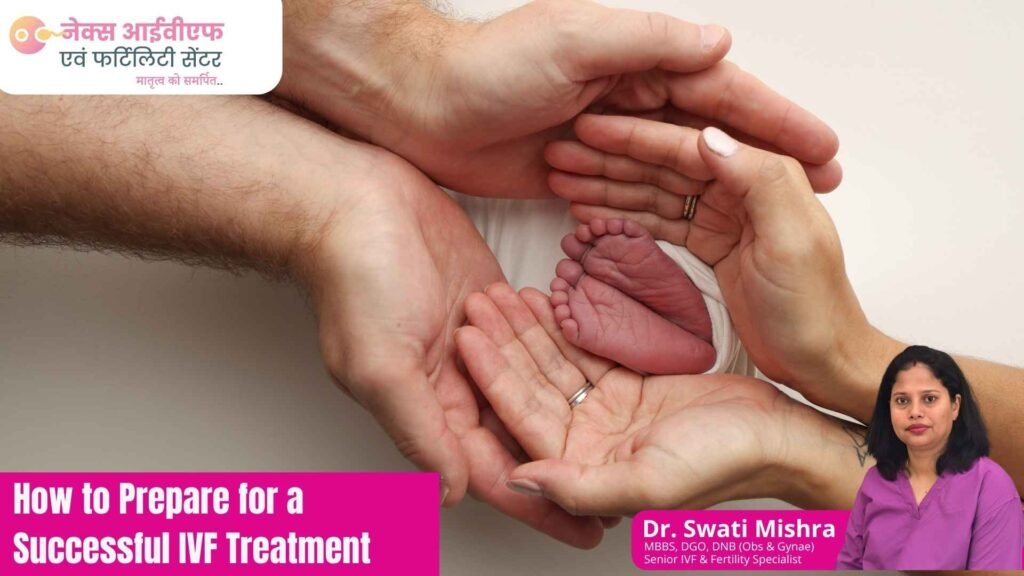
Why Preparation Before IVF Matters
Good preparation helps:
- Improve egg and sperm quality
- Enhance implantation chances
- Reduce complications
- Increase overall success rates
Even small lifestyle improvements can make a meaningful difference.
1. Get a Complete Fertility Evaluation
Before starting IVF, a detailed assessment is essential:
- Hormonal tests (including AMH)
- Ultrasound scans
- Semen analysis
- Thyroid and metabolic screening
At Nex IVF and Fertility Centre, this evaluation helps create a personalized treatment plan tailored to your needs.
2. Focus on a Fertility-Friendly Diet
Nutrition plays a key role in reproductive health.
- Eat fresh fruits, vegetables, whole grains, and lean proteins
- Include antioxidants, folic acid, iron, and omega-3 fatty acids
- Avoid processed foods and excess sugar
A balanced diet supports hormone regulation and egg quality.
3. Maintain a Healthy Weight
Both underweight and overweight conditions can affect IVF success.
- Aim for a balanced BMI
- Combine healthy eating with regular physical activity
4. Stay Physically Active
Moderate exercise improves blood flow and hormonal balance.
- Walking, yoga, and light workouts are recommended
- Avoid excessive or high-intensity exercise
5. Manage Stress and Emotional Health
IVF can be emotionally demanding. Managing stress is crucial.
- Practice meditation, yoga, or deep breathing
- Stay connected with your support system
- Consider counseling if needed
At Nex IVF and Fertility Centre, emotional well-being is an important part of treatment.
6. Avoid Harmful Habits
Certain habits can negatively affect fertility:
- Quit smoking
- Limit alcohol and caffeine
- Avoid exposure to environmental toxins
7. Follow Medical Advice Strictly
- Take prescribed medications on time
- Attend all appointments
- Follow your doctor’s instructions carefully
Consistency is key during IVF treatment.
8. Ensure Proper Sleep and Rest
- Aim for 7–8 hours of quality sleep
- Maintain a regular sleep routine
Good sleep supports hormonal balance and overall health.
9. Consider Supplements (If Recommended)
Doctors may suggest supplements such as:
- Folic acid
- Vitamin D
- Antioxidants
Always take supplements under medical supervision.
10. Plan Financially and Logistically
IVF requires planning beyond health:
- Understand the cost and number of cycles
- Plan your schedule for appointments
- Arrange work flexibility if needed
When Should You Start Preparing?
Ideally, begin preparation 2–3 months before IVF, as this is the time required for egg and sperm development.
Early preparation leads to better outcomes.
Final Words
Preparing for IVF is about creating the best possible environment for success—physically, emotionally, and mentally. With the right lifestyle changes, medical guidance, and a positive mindset, you can improve your chances of achieving a successful pregnancy.